
Residential Fire Sprinklers: Debunking the Myths Holding Back Adoption

Most fire deaths in the United States happen in homes. Not in commercial buildings, not in industrial facilities, but in the places where people sleep, cook, and raise families. Residential fire sprinkler systems are one of the most effective tools available to change that, yet adoption rates remain remarkably low.
The reasons aren’t technical. They’re perceptual. There continues to be pushback on residential fire sprinklers based on myths that have been circulating for decades, many of them reinforced by Hollywood and outdated assumptions. These misconceptions are a real barrier to getting systems specified and installed, and are impacting safety.
Here are the most common ones and the facts that counter them.
Myth: All the Sprinklers Go Off at Once
This is probably the single most persistent myth about residential fire sprinkler systems, and it comes almost entirely from movies and television. On screen, every sprinkler in the building activates simultaneously, flooding entire floors.
In reality, each residential fire sprinkler head operates independently. Only the sprinkler closest to the fire activates, and in most residential fires, a single sprinkler is all it takes. The rest of the system stays dry. Residential sprinklers are fast-response heads designed to react quickly to heat buildup in the immediate area of the fire, giving occupants critical time to evacuate.
Myth: Sprinklers Cause More Water Damage Than the Fire
This concern sounds logical on the surface, but the numbers tell a different story. A single residential sprinkler flows significantly less water per minute than a fire department hose line. The sprinkler activates early, often before the fire has a chance to grow, and delivers water directly to the source.
By contrast, a fire that burns unchecked until the fire department arrives will require far more water to control, applied over a much larger area. The result is typically more structural damage, more water damage, and more loss.

Myth: Residential Sprinklers Are Too Expensive
Cost is the objection that designers and installers hear most often from builders and developers. But the actual numbers are more modest than the perception suggests. In new construction, residential sprinkler systems typically add between 1% and 2% to the total build cost, and that figure continues to decline as CPVC piping, multipurpose systems, and streamlined design tools make installation more efficient.
On the other side of the ledger, sprinklered homes often qualify for reduced insurance premiums, and many municipalities offer meaningful development incentives for projects that include fire sprinklers, including reduced basement window requirements, permission for additional units, and longer dead-end streets. These advantages can offset installation costs and improve project economics for builders.
Myth: They Look Industrial and Ruin the Interior
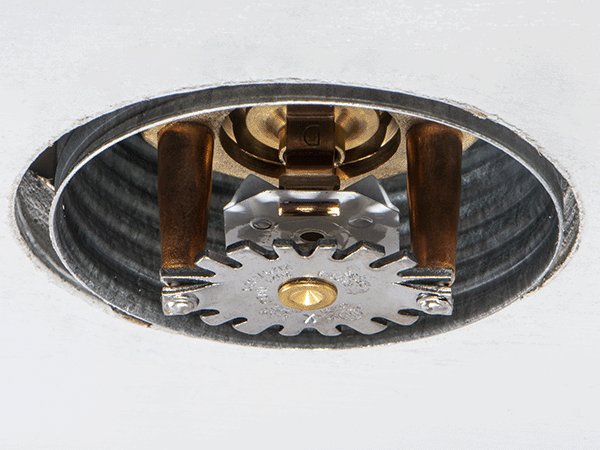
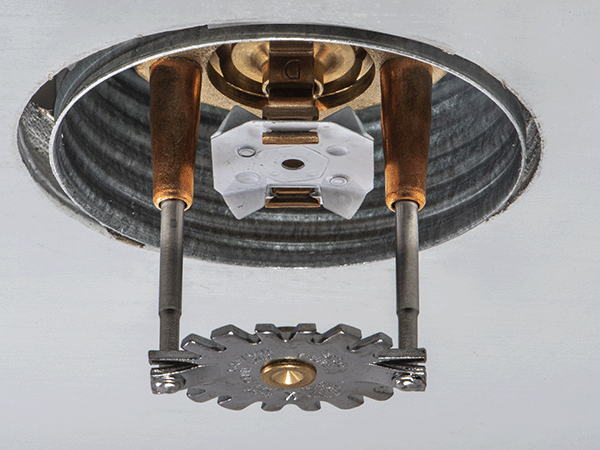
This might have been a fair criticism over thirty years ago, but it isn’t anymore. Modern residential fire sprinklers are designed specifically for living spaces, with concealed and flush-mount options that disappear into ceilings and walls.
Reliable’s RFC Series concealed pendent sprinklers and RFS42 flat concealed sidewall sprinklers are built for exactly this purpose with flat-plate designs that sit flush with the ceiling or wall surface and are covered by a decorative plate until activation. Reliable’s custom cover plates are available in a range of finishes, with custom paint and printing options to match virtually any interior design scheme.
For anyone working on high-end residential or hospitality projects, aesthetics is no longer a trade-off. It’s a solved problem.
Myth: Smoke Detectors Are Enough
Smoke alarms save lives by warning occupants of a fire, but they cannot control it. Residential fire sprinklers respond automatically, applying water directly to the fire while occupants evacuate.
The two systems complement each other. Smoke alarms provide early warning; sprinklers help control the fire. Together, they reduce the risk of death, injury, and property loss.
What You Need to Know
For professionals entering or expanding in the residential market, Reliable offers a complete line of residential fire sprinklers designed to meet NFPA 13, 13R, and 13D standards, covering everything from single-family homes under 13D to mid-rise residential buildings under 13R to high-rise structures under NFPA 13.
The product range includes the F1Res Series for standard pendent and sidewall applications, the RFC49plus for concealed installations with maximum coverage, and the F3Res44 dry sidewall for freeze-prone areas like garages and attics. Reliable’s Residential Design Guide provides detailed installation and compliance guidance across all three NFPA standards.
The residential sprinkler market is growing, driven by expanded code adoption, builder incentive programs, and increasing awareness of the life-safety case. The myths are losing ground, and the opportunity is real.
Have a project to discuss? Connect with our Product Technology team for project-specific support.